

Our History
Learn why and how our organization was founded, and follow our evolution from 2002 until today.
1950s
1970s
2001
Dr. Sara Scherr, then with Future Harvest, and Jeffrey McNeely, then Chief Scientist of IUCN, coined the term “ecoagriculture” in their joint Future Harvest-IUCN report Common Ground, Common Future: How Ecoagriculture Can Help Feed the World and Save Wild Biodiversity. McNeely and Scherr worked together to document 18 examples of ecoagriculture worldwide and defined ecoagriculture for the first time as “land-use systems managed for both agricultural production and wild biodiversity conservation.”

2002
2004
EcoAgriculture Partners produced its first publication, Ecoagriculture: A Review and Assessment of its Scientific Foundations, jointly produced with Cornell University, in a study led by Dr. Louise Buck of Cornell’s Department of Natural Resources. This survey of research findings helped establish the scientific legitimacy of the ecoagriculture models that benefited agriculture and biodiversity, a hotly contested topic at the time.
2004
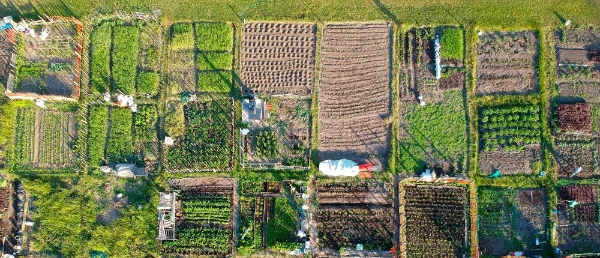
The Nairobi Declaration on Ecoagriculture was adopted at the first International Ecoagriculture Conference hosted by the World Agroforestry Center in Nairobi, establishing a pressing need to adopt ecoagriculture for people and the planet.
2006
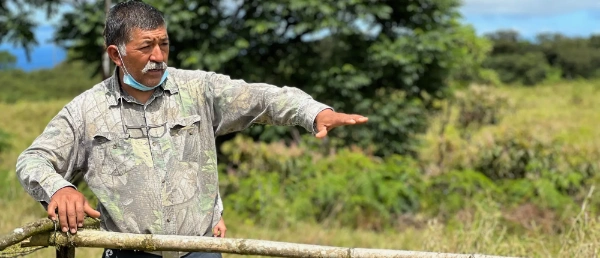
We launched the Community Knowledge Service with the UNDPs Equator initiative, which enabled community leaders to share their expertise in community-led efforts to enhance livelihoods, agriculture, and biodiversity.
2007
2008-2013
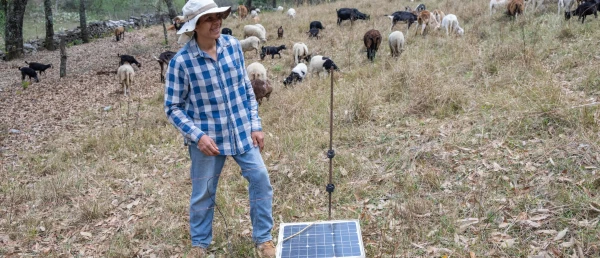
EcoAgriculture Partners led the monitoring and impact evaluation of the Biodiversity and Agricultural Commodities Program of the International Finance Corporation.
2009
EcoAgriculture produced groundbreaking reports on Mitigating Climate Change through Farming and Land Use for the Worldwatch Report.
2011
EcoAgriculture Partners formed the Landscapes for People, Food and Nature Initiative (LPFN) to promote global knowledge-sharing and collaborative action on integrated landscape management. The coalition eventually engaged more than 70 organizations worldwide. Watch the LPFN video.
2012
2012-2015
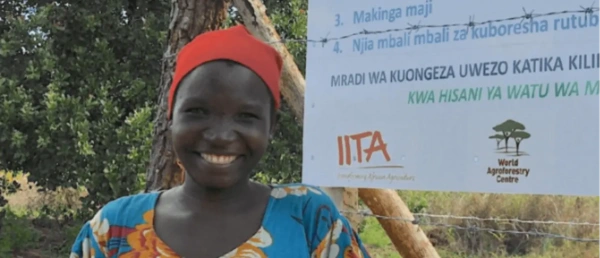
Over the next three years, EcoAgriculture Partners and the Landscapes for People, Food and Nature Initiative (LPFN) facilitated the Learning Landscape Networks in Ethiopia, Kenya, Tanzania, and Uganda, where landscape leaders learned from one another’s tactics, experience, and accomplishments, helping to bridge the lack of communication that previously occurred in these landscapes. These Learning Landscape Networks proved instrumental in developing the later Landscape Dialogues.
2012
Integrated landscape management (ILM) was endorsed at the Nairobi International Forum for the Landscapes for People, Food, and Nature initiative in March.
2012
EcoAgriculture Partners officially launched the Landscapes for People, Food, and Nature Initiative (LPFN) at the Rio+20 Summit.
2013
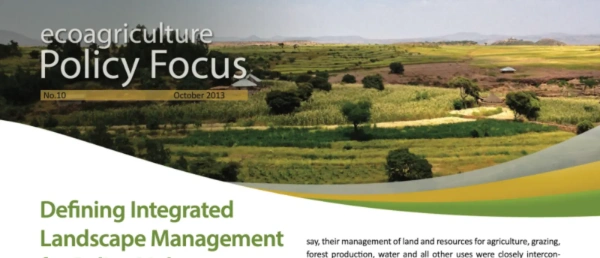
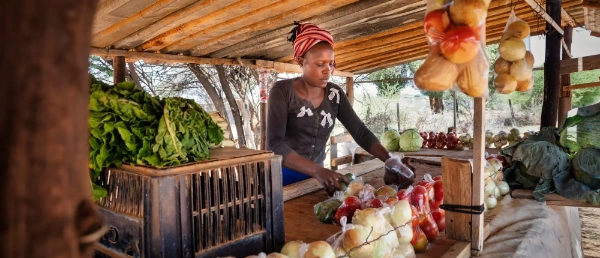
EcoAgriculture Partners published a pivotal policy brief, Defining Integrated Landscape Management for Policy Makers, that established integrated landscape management (ILM) as the umbrella term for a diverse set of sustainable, place-baed approaches that seek joint approaches to achieve agricultural, conservation, and livelihood goals.
2013
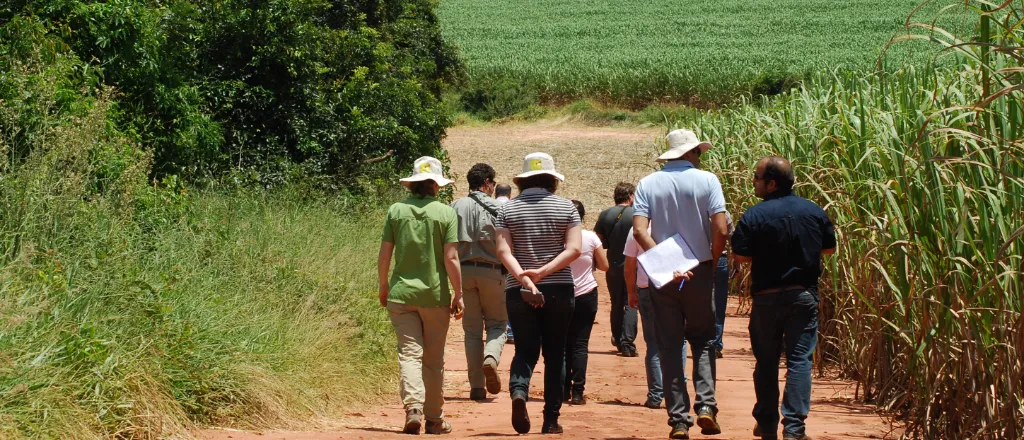
EcoAg developed A Vision for Agriculture Green Growth in Tanzania’s Southern Agricultural Growth Corridor (SAGCOT). This refined the SAGCOT strategy to promote development in the corridor that is environmentally sustainable, socially equitable, and practical to implement. This work laid the foundation for designing agricultural green growth strategies later in Bangladesh and Nepal.
2013-2017
EcoAgriculture Partners and the Landscapes for People, Food and Nature Initiative (LPFN), with Bioversity International, CATIE, and the World Agroforestry Centre, implemented Continental Reviews surveying integrated landscape initiatives (ILIs). These Continental Reviews, which were conducted in Africa (2013), Latin America (2014), Europe (2016), and South Asia (2017), found 378 ILIs in over 70 countries.
2014/2017/2019
Landscapes for People, Food and Nature Initiative (LPFN) convened the first African Landscape Dialogue. There, 200 experts, landscape leaders, and policymakers created the African Landscapes Action Plan, a document of policy and programmatic actions needed to propel African landscape initiatives. Check out the behind-the-scenes creation of this influential document. African Landscape Dialogues held in Addis Ababa in 2017 and Arusha, Tanzania, in 2019 deepened relationships and knowledge-sharing among landscape partners from many African countries and updated the action agenda.
2015
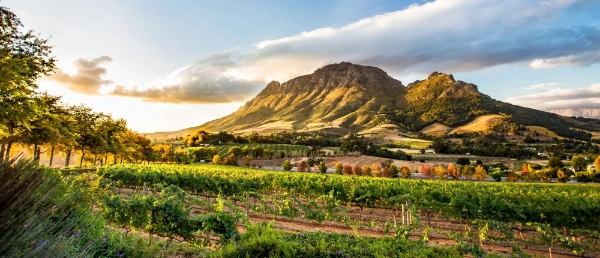
EcoAgriculture Partners produced The Little Sustainable Landscapes Book, which summarized current developments in sustainable landscape management and explained.
2015
EcoAgriculture Partners jointly published a book with the World Bank and Clarmondial on Steps Toward Green: Policy Responses to the Environmental Footprint of Commodity Agriculture in East and Southeast Asia, based on field studies in six countries, that recommends an Agricultural Green Growth framework for national and local governments to promote environmental stewardship in the production of key commodity goods.
2016
EcoAgriculture Partners collaborated with USDA’s Office of Environmental Markets and the Natural Resources Conservation Service to produce a series of case studies, Farm of the Future, which inspired broader work on payments to farmers for ecosystem services and a new USDA program promoting farm innovation.
2017
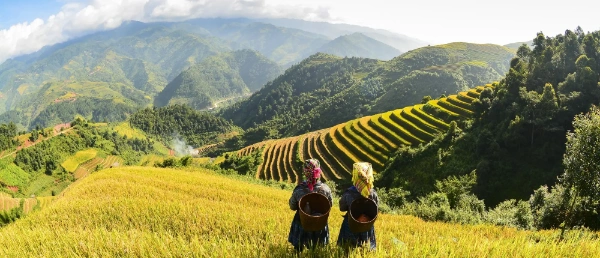
EcoAg published Public-Private-Civic Partnerships for Sustainable Landscapes: A Practical Guide for Conveners, the first resource for facilitators and conveners.
2019
EcoAgriculture Partners collaborated with Wageningen University, IUCN Netherlands, and Oxylus Climate Advisors to create the first systematic training on landscape finance by launching the online course Landscape Finance: Investing in Innovation for Sustainable Landscapes.
2019
EcoAg launched the 1000 Landscapes for 1 Billion People (1000L) initiative. The initiative’s mission is to deliver sustainable landscape solutions across 1000 landscapes for 1 billion people by 2030–contributing powerfully to Sustainable Development Goals and aligning actions to meet global targets for addressing food and water insecurity, biodiversity loss, land degradation, and climate change.
2019-2022
2020
Landscapes for People, Food and Nature Initiative (LPFN) celebrated 10 years of advancing integrated landscape management worldwide, including producing over 110 publications and convening 70 events. Watch the event recording.
2020
EcoAg published the results of a global scoping study: Mobilizing Finance Across Sectors and Projects to Achieve Sustainable Landscapes: Emerging Models.
2021
EcoAgriculture Partners and collaborators produced a significant study for the Government of Germany-GIZ and TP4D on Territorial Approaches for Sustainable Development, drawing on evidence from 14 case studies worldwide.
2022
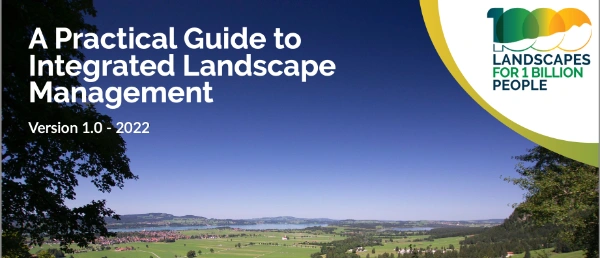
The 1000 Landscapes for 1 Billion People (1000L) initiative publishes A Practical Guide to Integrated Landscape Management. The guide offers a roadmap for understanding and executing integrated landscape management (ILM). It provides a generic, locally adaptable conceptual process framework and guidance for implementing ILM processes at the local and regional scales.
2022
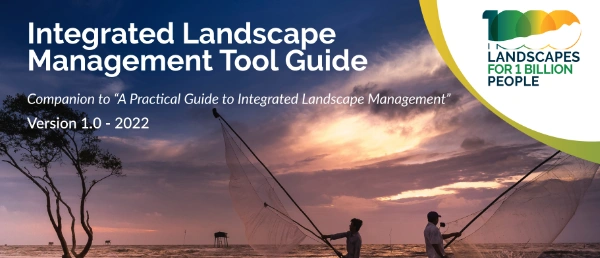
The 1000 Landscapes for 1 Billion People (1000L) initiative publishes The Integrated Landscape Management Tool Guide. This tool guide is a compilation of more than 100 practical tools and resources that support collaborative landscape planning and action. The guide aims to equip practitioners in the field with usable, valuable tools and resources to carry out integrated landscape management (ILM).
2022
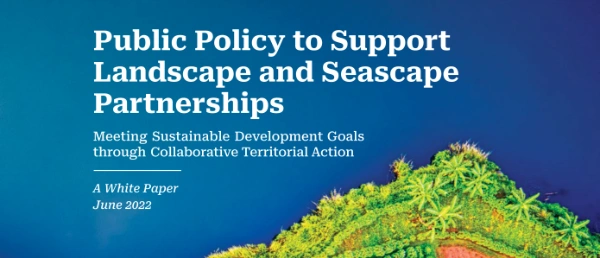
EcoAg, in collaboration with GALLOP, Cornell University, and Columbia University, produced a White Paper on landscape policy, Public Policy To Support Landscape and Seascape Partnerships: Meeting Sustainable Development Goals Through Collaborative Territorial Action.
2022
EcoAg worked with Rikolto to strengthen the capacity of staff and landscape partners to design and implement integrated landscape approaches across food systems programs. This included tailored training, advisory support, and the development of practical learning materials.
2023
Working with Climate-KIC and other 1000L partners, EcoAg published the report Toward Systemic Change in Landscape Finance: 11 Areas for Collaborative Action as a call to action to the global finance community.
2024-2026
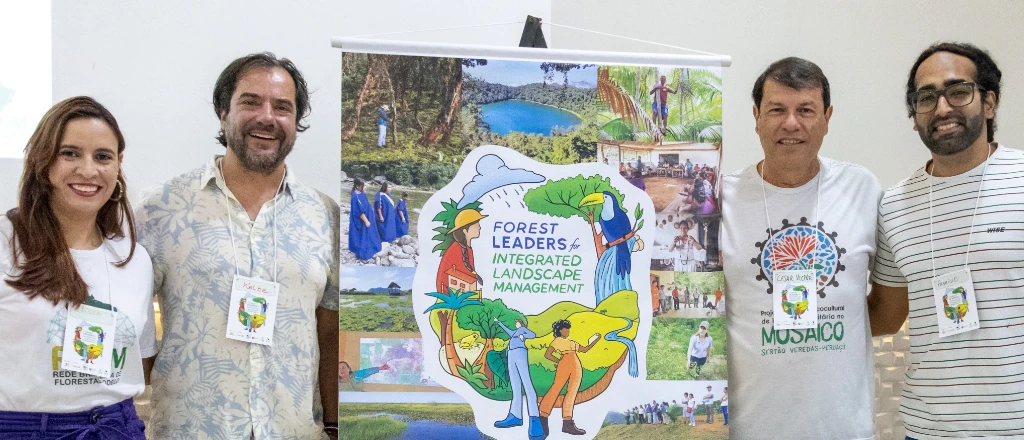
EcoAg supported Latin America landscape leaders through Forest Leaders for Integrated Landscape Management, across 15 Model Forests through training, peer learning, and locally led initiatives, strengthening collaboration, governance, and planning across landscapes.
2024
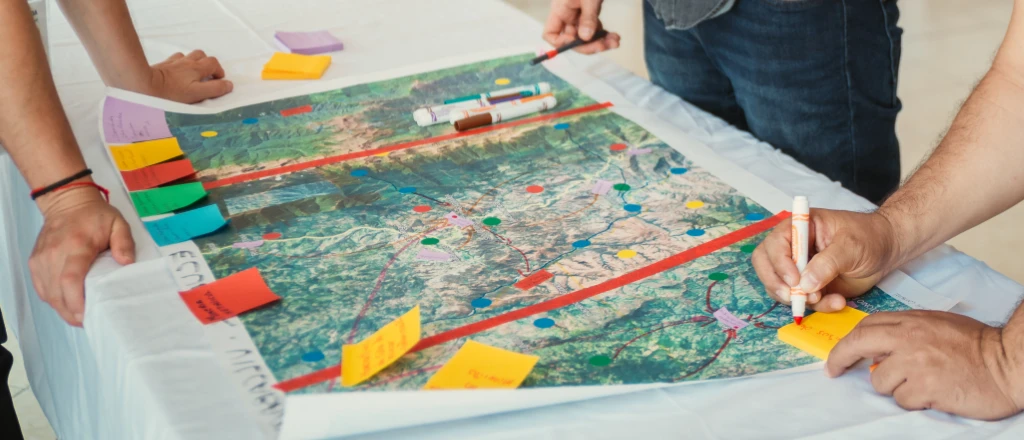
EcoAg began working with Heifer International (Latin America) to strengthen the application of landscape approaches across multiple countries, supporting teams to move from training to implementation.
2024
EcoAg supported regional collaboration and capacity strengthening through the CommonGround initiative (India), contributing to shared learning and the development of practical tools and case studies.
2025
In collaboration with 1000L and Regen10, EcoAg published A Strategy for Transforming Food Systems through Regenerative Landscapes, a white paper that lays out a compelling blueprint for scaling regenerative food systems by prioritizing community-led landscape partnerships.
2025

2025
GEF PlanetGOLD (Africa and Latin America): EcoAg delivered training and advisory support across 23 countries, strengthening governance, stakeholder engagement, and coordination in complex landscape contexts.
2026
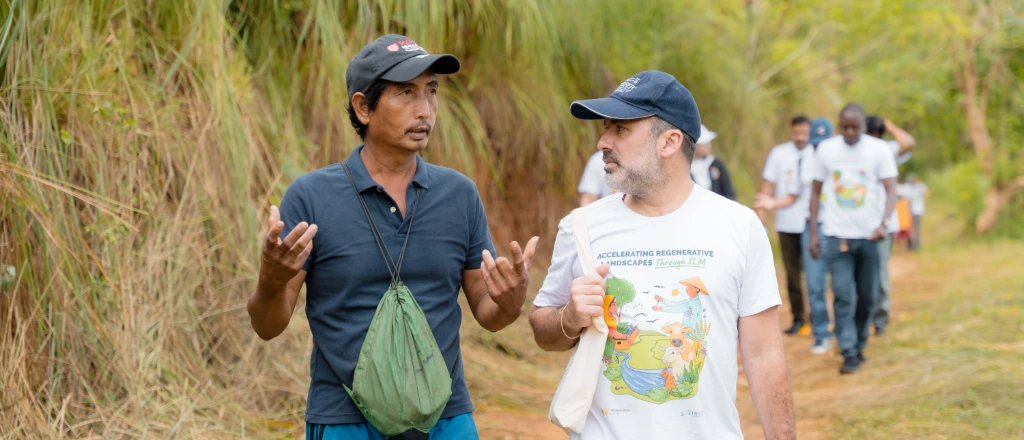
Building on work in Latin America, EcoAg expanded its collaboration with Heifer to Asia, supporting the application of landscape approaches across regions.
2026
After over 20 years of pioneering integrated landscape management globally, EcoAg ceased operations on September 30, 2026.