

About Us
EcoAgriculture Partners ceased operations 30 September 2026. It was a global nonprofit organization advancing collaborative action through integrated landscape approaches so people and nature flourish.
What We Do
From its inception, EcoAgriculture Partners saw itself as a small, nimble catalyst for advancing the field of integrated landscape management (ILM), helping people manage landscapes in ways that could simultaneously support agricultural production, livelihoods, biodiversity, and other environmental goals. Its work combined interdisciplinary research, direct engagement with landscape leaders and practitioners, capacity development, and efforts to strengthen enabling conditions such as finance and policy, almost always in collaboration with other organizations. As the field evolved, so did our focus.

Climate Resilience

Food Systems

Diverse Ecosystems

Sustainable Livelihoods
Integrated Landscape Management: Our Approach
Climate change, biodiversity loss, food and water insecurity, and competing demands on land converge within the same landscapes. These interconnected challenges cannot be addressed through sectoral or unilateral approaches alone.
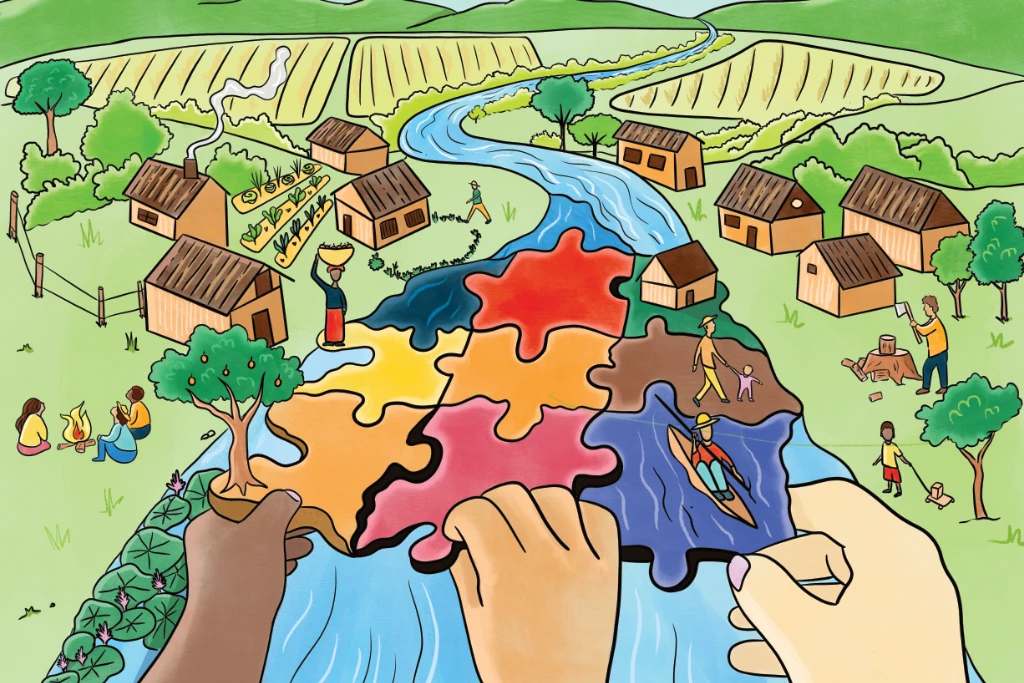
Integrated Landscape Management (ILM) brings together the people and institutions that shape a landscape to reconcile objectives, set shared priorities, and coordinate action for local communities and nature. It requires capable leadership, inclusive decision-making, cross-sector collaboration, and investment aligned with locally defined goals.
Our Work
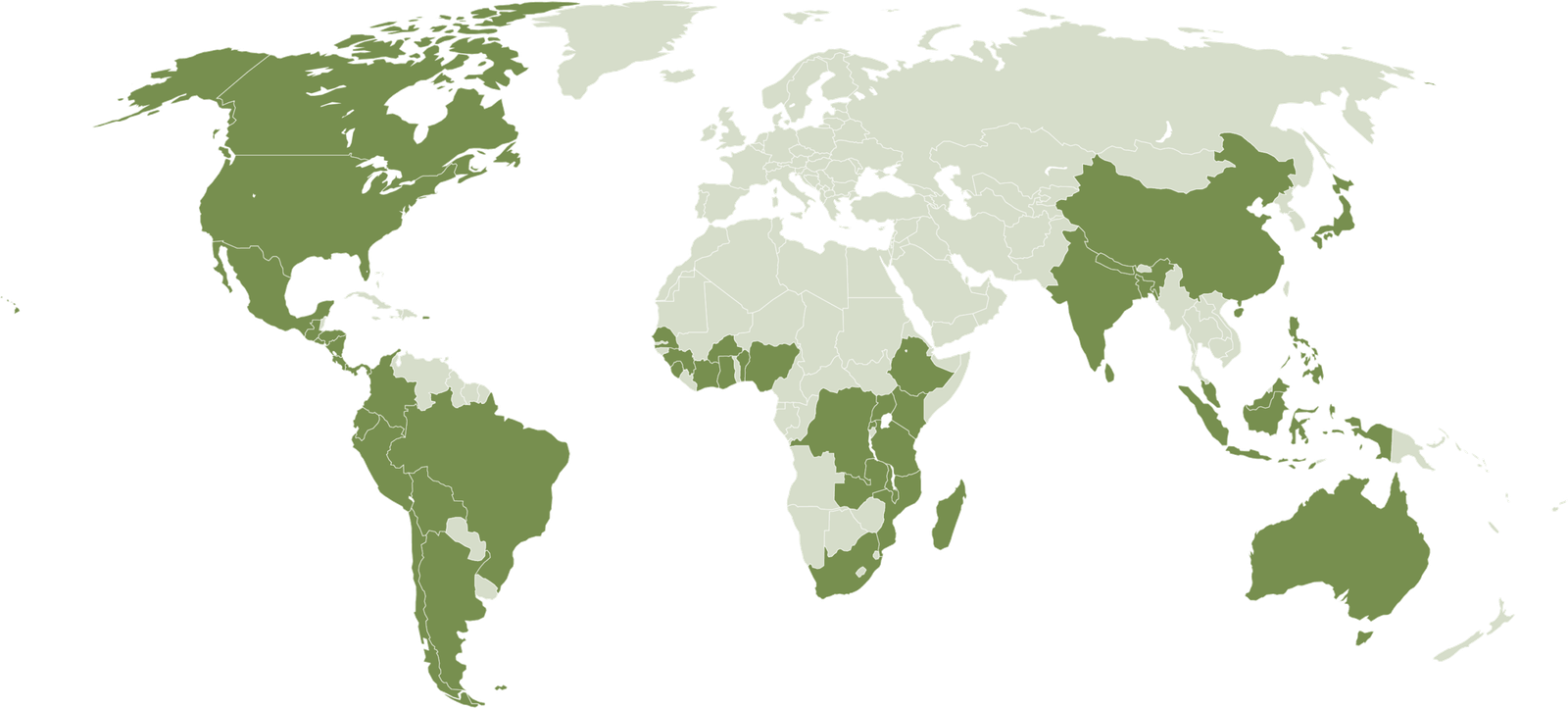
For more than 20 years, EcoAg has worked across Africa, the Americas, and Asia to strengthen leadership, foster inclusive governance, unlock catalytic financing, and build strategic partnerships that amplify impact.
By increasing understanding of landscape approaches and supporting their practical implementation, we help mobilize the investment and coordination needed to achieve lasting, landscape-level change.
Learning about Landscapes
In the years following its incorporation as a not-for-profit entity in 2005, EcoAgriculture focused on understanding the emerging field. We reviewed scientific evidence on synergies among agriculture, environmental conservation, and rural livelihoods; documented integrated land-use systems and programs around the world; and learned directly from practitioners already leading landscape initiatives.
Beginning around 2007, we translated these lessons into analytical frameworks for understanding ILM practice, finance, and policy, as well as training programs, practical tools, and resources for landscape leaders. We also began working directly with landscape partnerships to test and adapt these approaches in practice.
Deepening Analysis and Fostering International Collaboration
As interest in landscape approaches grew but remained highly fragmented, EcoAgriculture helped create and, from 2011 to 2020, convened the Landscapes for People, Food and Nature (LPFN) initiative. LPFN brought together some 75 leading international organizations to strengthen dialogue, learning, and collective action around integrated landscape approaches. Together, partners produced 25 scientific studies of ILM, engaged finance, business, and policy innovators, convened regional dialogues among landscape leaders in sub-Saharan Africa and Mesoamerica, and established regional landscape learning networks.
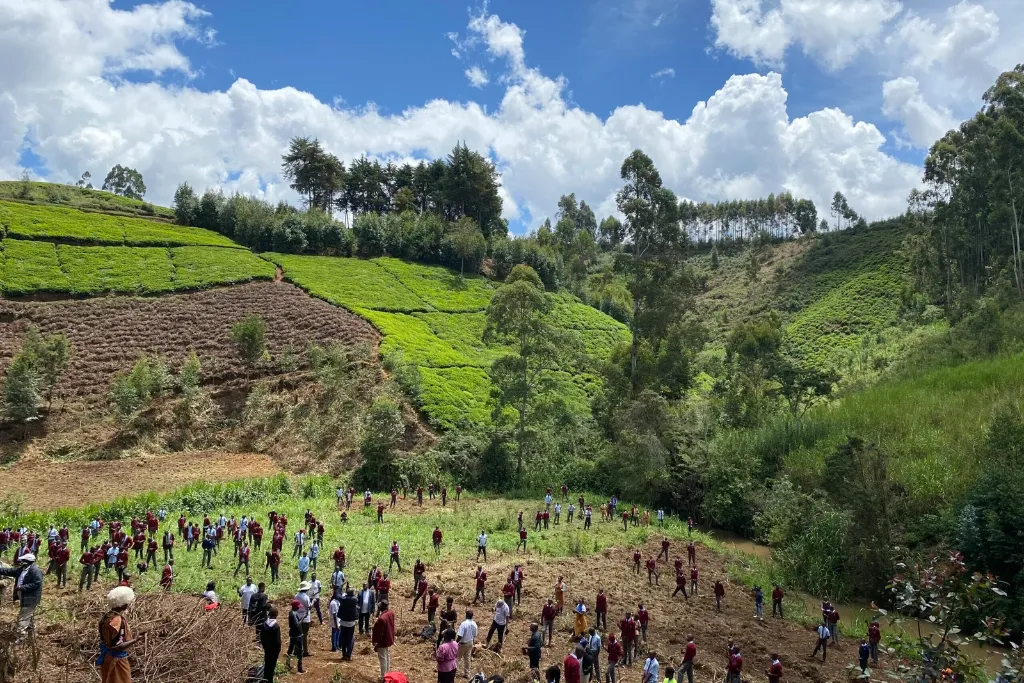
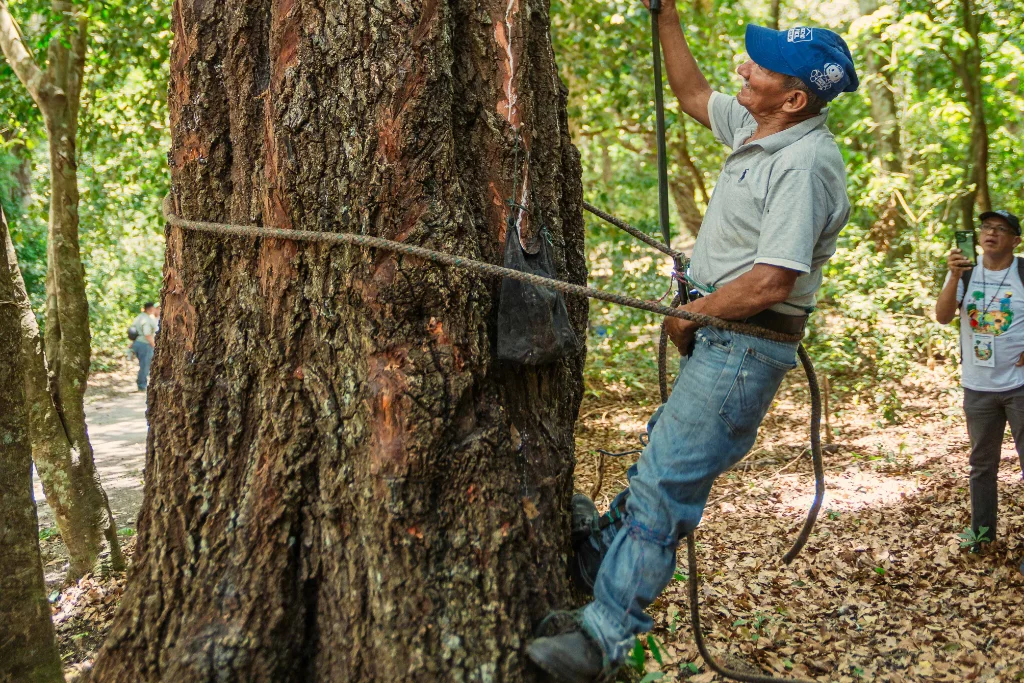
At the same time, EcoAgriculture deepened its direct work with landscape leaders and multi-stakeholder partnerships. Through field projects and collaborations in diverse regions, we supported practitioners to strengthen landscape governance, develop shared strategies, mobilize finance, and connect local priorities with broader policy and market opportunities. These engagements were also an important source of learning. Practical experience in landscapes informed the continued development and refinement of EcoAgriculture’s tools, training, and analytical frameworks.
Mobilizing Support Infrastructure for Landscape Partnerships
Through LPFN and years of direct engagement with landscape partnerships, EcoAgriculture increasingly saw a persistent challenge. Landscape leaders were being asked to address complex, long-term challenges with little access to sustained technical, financial, institutional, or learning support. In response, EcoAgriculture helped organize and convene 1000 Landscapes for 1 Billion People (1000L), a global collaborative designed to strengthen the support infrastructure available to landscape partnerships, including learning and research, enabling services, finance, and supportive public policy.
EcoAgriculture hosted the 1000 Landscapes Hub from 2019 to 2025, and co-led collaborative design teams focused on landscape finance and capacity strengthening. It also continued working directly with landscape partnerships and practitioner networks, applying and refining approaches to governance, strategy, finance, and capacity development. In parallel, EcoAgriculture deepened its analytical work and tool development on integrated landscape finance and policy and expanded training and support for landscape networks.
Our Partners
We collaborate with partners to advance systemic change, from locally-led action on the ground to broader change at regional and global levels.