
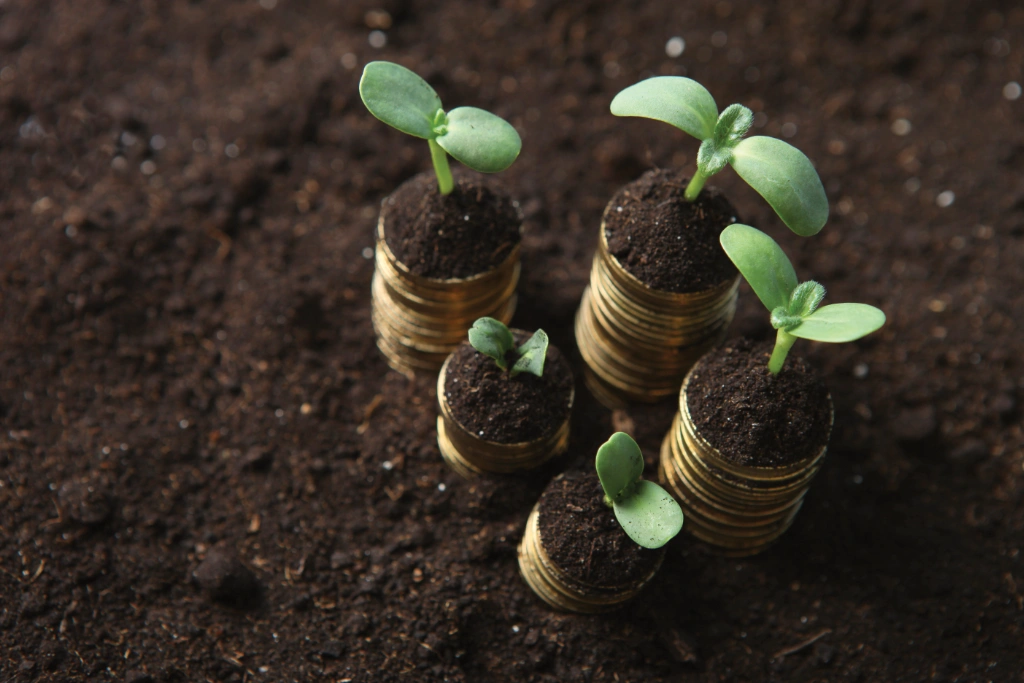
The pieces are in place, but transforming landscape investment to finance the SDGs requires much higher ambition
Numerous integrated landscape partnerships have developed Landscape Action Plans reflecting their collaborative assessment of landscape challenges and opportunities, agreed objectives for a sustainable landscape, and commitments to advance those objectives. Meanwhile, a growing number of individual projects and business deals for farm and forest enterprises are being financed worldwide, cleverly generating multiple landscape benefits.
However, few partnerships have developed comprehensive and coordinated financing strategies or concrete landscape finance plans to turn their action plans into reality at scale. Much more funding is needed for landscape-friendly asset investments (agriculture and production/value chain activities, industry and processing, green infrastructure, natural resource restoration) and enabling investments (multi-stakeholder dialogue platforms, strategic planning, new policy and finance mechanisms, and landscape assessment and monitoring). Case studies suggest that a large landscape initiative may require $2-4 billion of new or reoriented investment to meet their goals. Current strategies aren’t working, and the innovative new funds emerging are far too small.
We must fill the deal pipelines from the landscape level
What makes something a “landscape investment”? There are five key attributes:
- Contributes to multiple elements of landscape sustainability – production, ecosystems, biodiversity, livelihoods, equity – as well as financial returns, with regular monitoring and reporting;
- Accounts for socio-ecological processes, spatial interactions, and off-site impacts in financial decisions and investment design;
- Conforms with public land use and resource sustainability laws and rules;
- Aligns with other investments in the landscape to realize ecosystem-wide benefits;
- Supports a landscape action plan developed through multi-stakeholder dialogue and negotiation processes (where one exists).
Achieving landscape-scale production, conservation, and livelihood goals requires numerous such investments coordinated across the landscape. Financing strategies at the landscape level are essential. Organized landscape platforms can scrutinize existing finance flows and develop plans that complement their action plans, identifying priority investments and practical roles for different investors. Together with IUCN Netherlands, we developed the Landscape Finance Opportunity Assessment Tool (PDF) to guide this process, which we will test with platforms in Ghana, Tanzania, and Honduras this year.
With financing opportunities clarified, landscape platforms can foster partnerships between financial institutions and landscape stakeholders, design enabling investments to leverage private investment, develop investable business plans that contribute to landscape goals, aggregate funding from multiple sources, and disburse large-scale funds to diverse land managers – essentially filling investor pipelines with the types of investments needed to achieve the SDGs.
One green investment in a landscape of unsustainable “traditional” investments is not sustainable. Our ambition must be larger than simply matching donors and impact investors with “green” businesses.
Investors must build better pipelines
Change is needed at the investor level. New financial mechanisms and institutions must explicitly support integrated landscape investments. The Business for Sustainable Landscapes Action Agenda proposes steps including innovative blending of public, private, and civic finance and ensuring funds reach farmers and resource managers. Business incubators knowledgeable in landscape investments can help operations grow. Financial institutions should create ‘communities of practice’ to accelerate learning and innovation.
The Action Agenda, co-produced with IUCN, SAI Platform, and Sustainable Food Lab, was launched at the Forest and Landscape Investment Forum in Kigali, Rwanda. Participants generated ideas for a Landscape Investment Platform for Africa – an example of the innovation needed to close the deal gap for sustainable landscapes, though far more ambition is required than simply matching donor and impact investment funds with sustainable businesses.
All investments must make a positive impact
We must redirect billions in traditional capital from unsustainable agriculture, forestry, energy, and infrastructure toward sustainable landscape investments. With an estimated cost of over $5 trillion per year to achieve the SDGs (UNCTAD report PDF), most investments must generate social, economic, and environmental returns.
The development, agriculture, finance, and conservation communities need to collaborate to build the financial infrastructure for long-term sustainable landscape investment. Institutions should link directly with local landscape partnerships to finance key elements of landscape action plans, broker multi-sector deals to reduce risks, co-finance costs, increase returns, and advise interested financial institutions.
For example, Landscape Banks – locally-grounded but internationally-networked, staffed by landscape investment experts – could mobilize short-, medium-, and long-term funds from diverse sources. EcoAgriculture, WWF’s Landscape Finance Lab, and finance partners are exploring this option and others that directly meet the needs of integrated landscape initiatives. We are actively recruiting additional financial innovators to join this effort. Join us.