
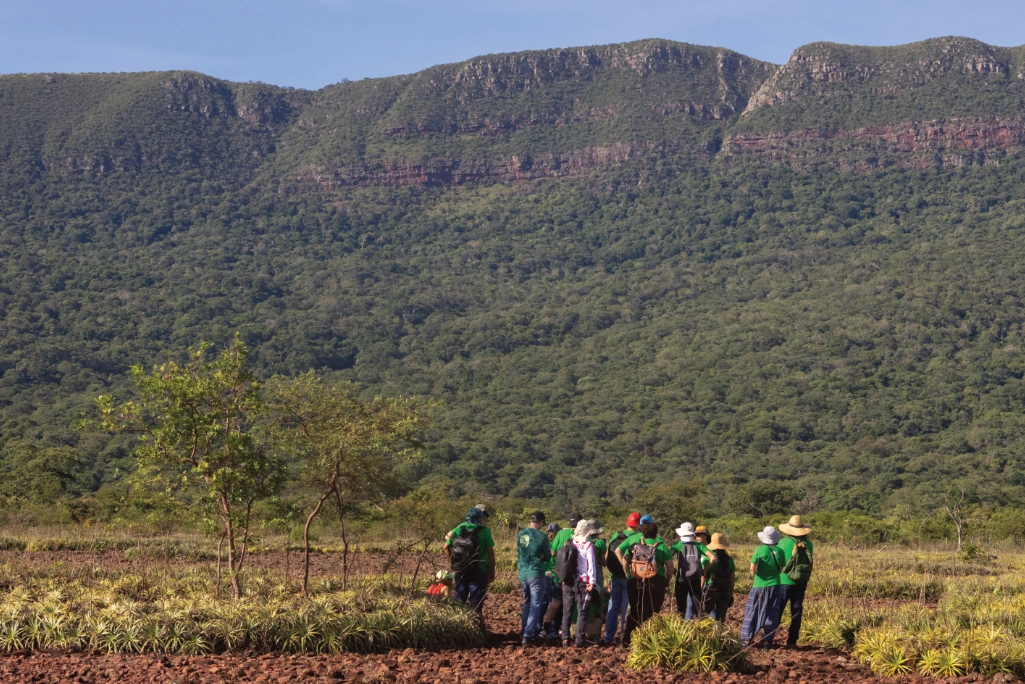
In March 2024, a regional effort to strengthen landscape governance in Latin America began. Forty-nine forest leaders from 15 Model Forests across 10 countries were selected to participate in Component 1 of the Forest Leaders for Integrated Landscape Management initiative.
Model Forests are multi-stakeholder landscape platforms that bring together different stakeholders to collaboratively manage large territories where people and nature interact. As members of the International Model Forest Network, they serve as practical spaces for balancing conservation, production, and local livelihoods across entire landscapes.
Component 1, implemented by EcoAg, focused on strengthening the leadership capacities of these actors to advance Integrated Landscape Management (ILM) and Integrated Landscape Finance (ILF). Designed as a 24-month learning journey rather than a one-time training, it combined peer exchange, practical tools, and real-world application.
The selected cohort reflected the diversity of the region, with strong participation from women and young leaders. Despite their varied contexts, they shared a common challenge: how to move beyond isolated conservation projects and build landscapes that are truly collaborative, resilient, and collectively governed.
The journey began in the Pantanal wetlands of Brazil, where the group gathered early in the program. Originally scheduled as two separate language groups, Spanish and Portuguese, the gathering quickly merged into a single, unified cohort. From the beginning, the decision was clear: learn together.
Learning Across Landscapes
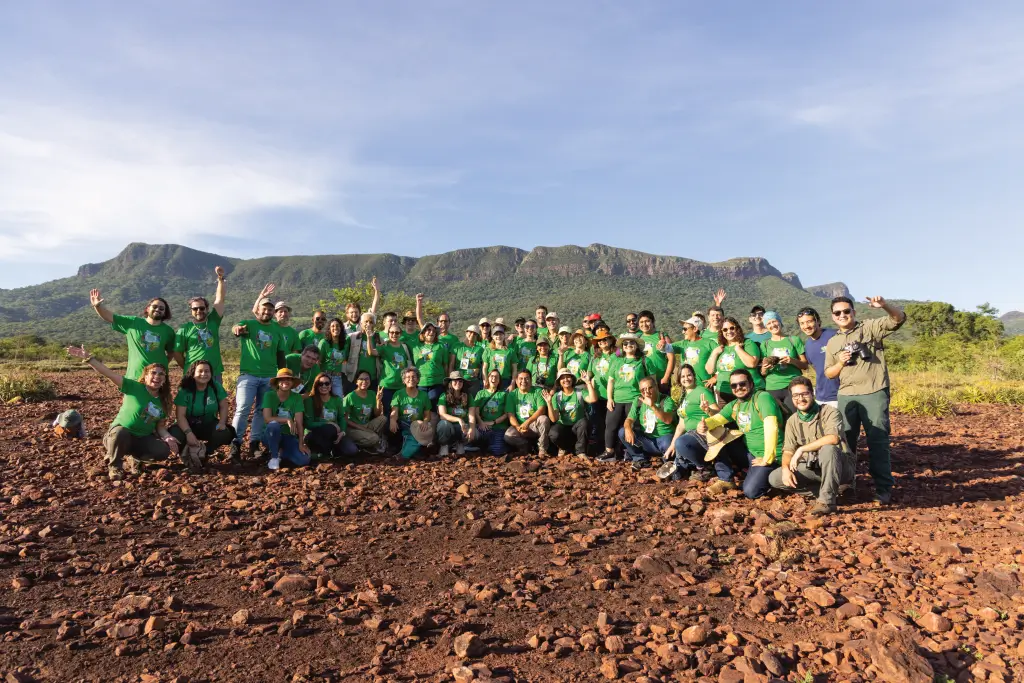
The workshop covered the fundamentals of Integrated Landscape Management (ILM) and Integrated Landscape Finance (ILF), but more importantly, it created space for reflection and renewal. Many of the Model Forests have been operating for years, some for more than a decade. Over time their contexts have changed. New actors have emerged, funding dynamics have shifted, and governance challenges have become more complex. Strengthening landscape leadership was about refining approaches, building shared understanding, and reinforcing the systems that hold these landscapes together.
Participants explored how ILM moves beyond isolated projects toward coordinated action across an entire territory. They examined what makes collaboration work in practice. The training emphasized that resilient landscapes require intentional design and continuous attention to how decisions are made and who is involved.
As one leader from Model Forest Pantanal reflected:
This made me understand that it is much more than implementing actions, planting, or working on conservation. It is about having dialogue. And within that dialogue, there are guiding elements.
When participants returned home, the learning deepened. From March 2024 through March 2026, EcoAgriculture Partners facilitated a 24-month process that combined structure with practical application. Eighteen interactive virtual sessions provided space to apply tools directly to participants’ own landscapes. Leaders mapped stakeholders and power dynamics, assessed governance capacities using the SET tool, designed or strengthened landscape platforms, built shared visions, clarified their theory of change, and explored financing strategies and enabling investments. They also worked on communication, monitoring, learning, and adaptive management to support long-term impact.
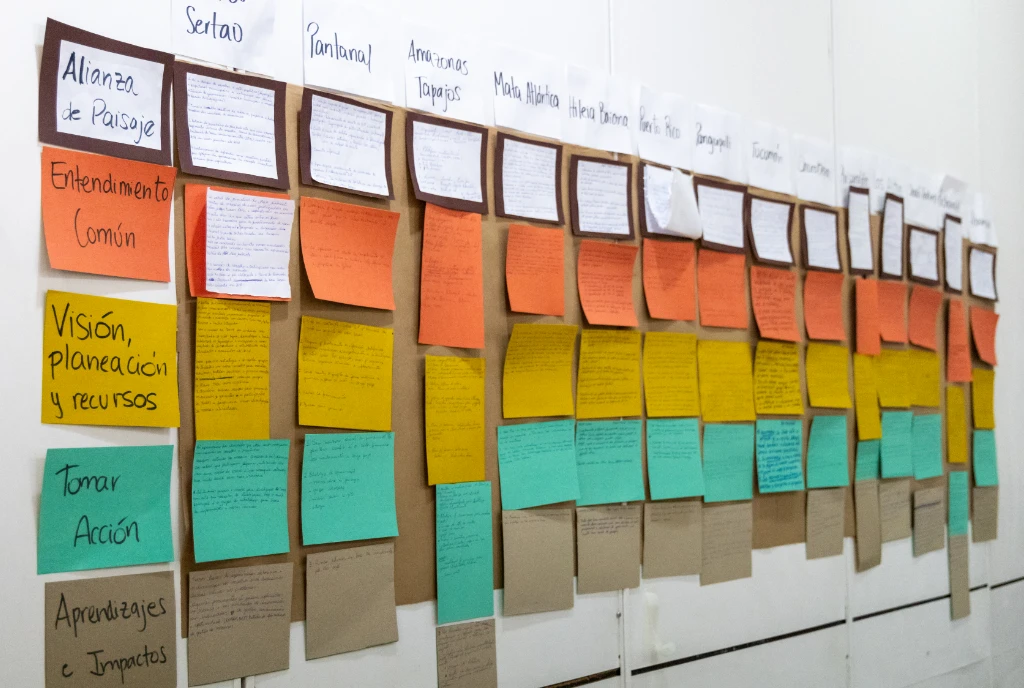
Throughout the program, participation stayed strong, with an average of 34 leaders per session. Over time, more than 56 unique participants took part in the process.
An active community of practice emerged during this period and became a central pillar of the learning journey. It provided continuity and connection across countries. Leaders brought real challenges from their territories into the discussions, tested ideas between sessions, and returned with lessons learned. This ongoing exchange strengthened peer support and built confidence to take concrete steps at home.
The most significant changes happened between sessions. Through Seed Projects, leaders began applying ILM tools directly in their regions. They facilitated multi-actor dialogues, strengthened advisory councils, and designed governance platforms that brought new voices to the table. In several landscapes, this required moving beyond long-standing sectoral approaches and engaging actors outside the traditional environmental sphere.
For one participant, the turning point came when governance moved from theory to practice:
It was a process that pushed us out of our comfort zone. We had to step away from daily routines and really think about how we would promote this governance we had heard so much about. And what truly impacted me was the acceptance of this dialogue among actors.
Over time, this focused community of practice positioned itself within the broader Latin American Model Forest Network (LAMFN), part of the International Model Forest Network (IMFN). The Model Forest Network has long served as a platform for exchange among landscapes committed to collaborative governance and sustainable development. Component 1 strengthened that foundation by creating a structured space for a cohort of leaders to engage deeply around Integrated Landscape Management and finance.
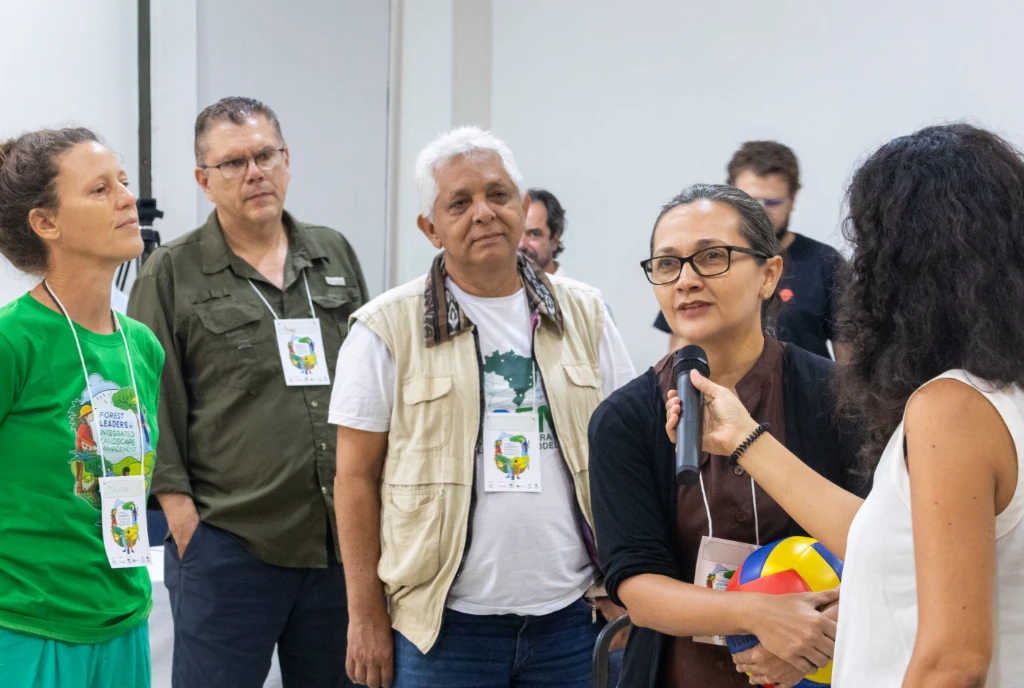
Leaders began sharing challenges openly, learning from each other’s experiments, and developing a stronger common language around governance and landscape approaches. This dedicated exchange complemented the wider network by strengthening peer learning among practitioners who were actively testing tools and advancing reforms in their territories.
For a leader from Model Forest Abancay, the shift was profound:
Changing the way we view territorial management is not easy. One of the program’s greatest contributions has been expanding not only knowledge, but the understanding of what it truly means to work from an Integrated Landscape Management perspective.
By the end of the 18th session, the formal training phase concluded. Rather than closing, the network evolved. Leaders transitioned to facilitating their own monthly community of practice meetings, focusing on strengthening governance and engaging with the private sector.
What began in the Pantanal wetlands as a shared question became a sustained regional movement.
Over 24 months, 15 Model Forests across 10 countries enhanced collaboration, activated governance platforms, and connected more than 56 leaders in a shared effort. The numbers tell part of the story. The deeper impact lies in renewed confidence, stronger cross-border relationships, and a new generation of leaders equipped not only with tools but also with the conviction that resilient landscapes are built through dialogue, trust, and collective action.