
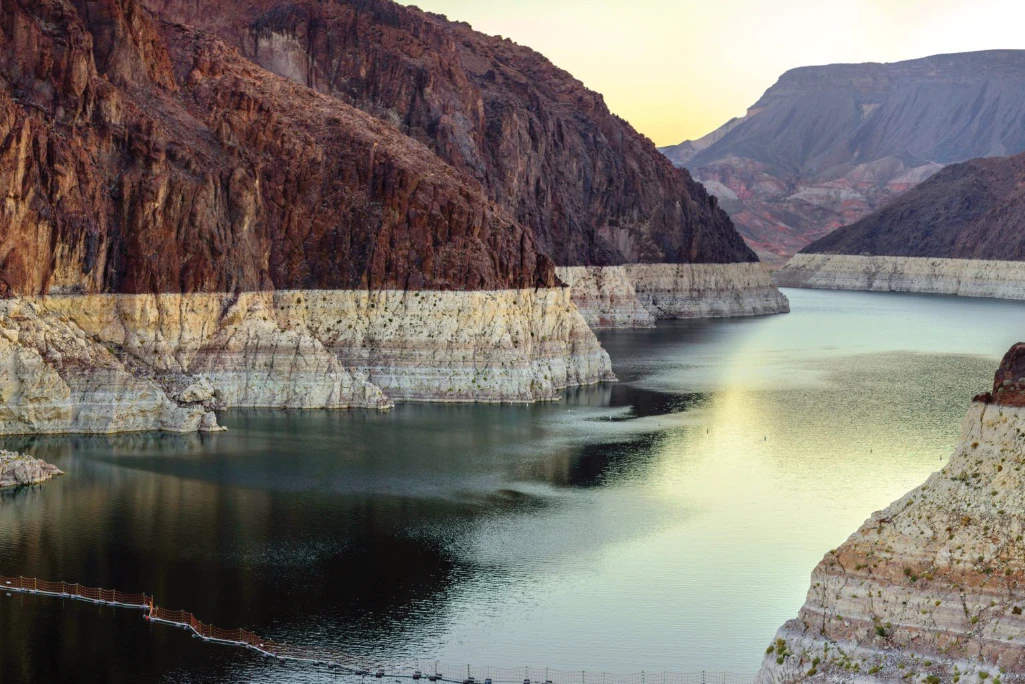
The US States of Nevada, California, and Arizona
The US states of Nevada, California, and Arizona have achieved a significant breakthrough in their negotiations about sharing Colorado River water, a critical resource for millions of residents. They committed to reducing water usage by 3 million acre-feet (3.7 million cubic meters)–around 3 million American football fields covered in one foot of water-between now and 2026 to keep the river from drying up. But this arrangement offers only a temporary reprieve rather than an enduring solution, failing to fully address the poor practices that got us here or anticipate future challenges. Sara Scherr, President and CEO of EcoAgriculture Partners, said, “I believe this solution, while suitable for now, addresses the wrong question. It represents a short-term remedy that fails to address the issue’s root.”
The plan requires the US federal government to pay agricultural landowners, irrigation districts, and other water users up to $1.2 billion to conserve water. This solution needs to be more sustainable. There are better ways to save water. The American West needs an approach that doesn’t involve the government paying off farmers indefinitely for an issue that will only worsen.
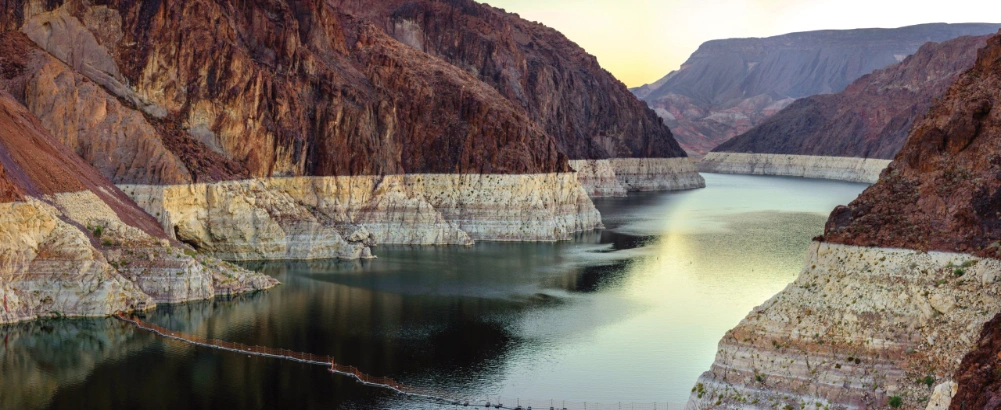
Record low Colorado River water levels can easily be seen.
According to an article published in the LA Times, river levels will continue to decline due to climate change even if citizens and businesses stop drawing from it. Higher temperatures and changing weather patterns are leading to less precipitation and more evaporation in the watershed. Instead of restricting an increasingly scarce water supply, people must focus on a more fundamental inquiry: “How can we regenerate the Colorado River watershed?” asked Scherr.
The answer, she said, lies in embracing an integrated approach that tackles the source of the water usage problem-degraded ecosystems that trap and hold rainfall poorly and the competitive, grossly inefficient use of the resource. This solution won’t be easy. It requires farmers, community members, industry, and other stakeholders who rely on the Colorado River watershed to work together and create an inclusive action plan to conserve water for all.
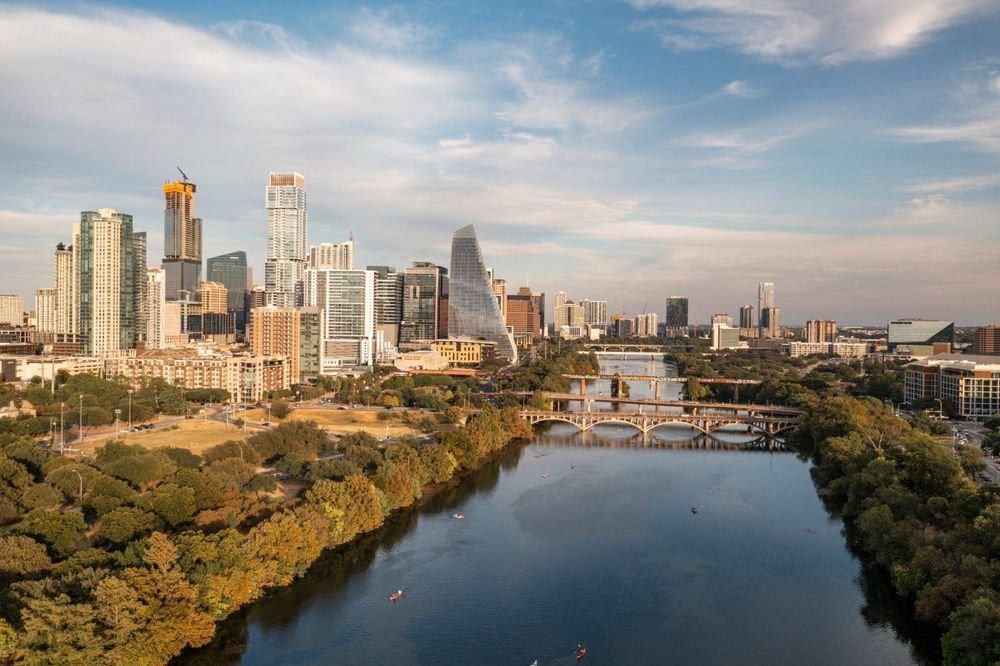
Austin, Texas, USA, a city of nearly 1 million people, relies on the Colorado River for its water supply.
One such holistic approach is Integrated Landscape Management (ILM), a structured and long-term collaboration among land managers and stakeholders to achieve multiple objectives, such as conserving ecosystems, boosting livelihoods, and improving water quality. This technique prioritizes nurturing the interconnectedness of activities within the landscape by reducing trade-offs even among seemingly competing land uses, such as irrigation for crop production and municipal water use. By adopting ILM, communities can simultaneously pursue water conservation, economic development, environmental sustainability, and climate resilience.
“We must embark on an ILM journey to address the challenges facing the southwestern United States successfully,” said Scherr. “This requires investing in a coordinated response with all users and sectors within the Colorado River watershed, securing their commitment and participation in a collective solution.” Everyone must potentially make sacrifices. Any comprehensive plan for this region must encompass measures to reduce water pollution, improve water conservation practices, and restore riparian habitats.
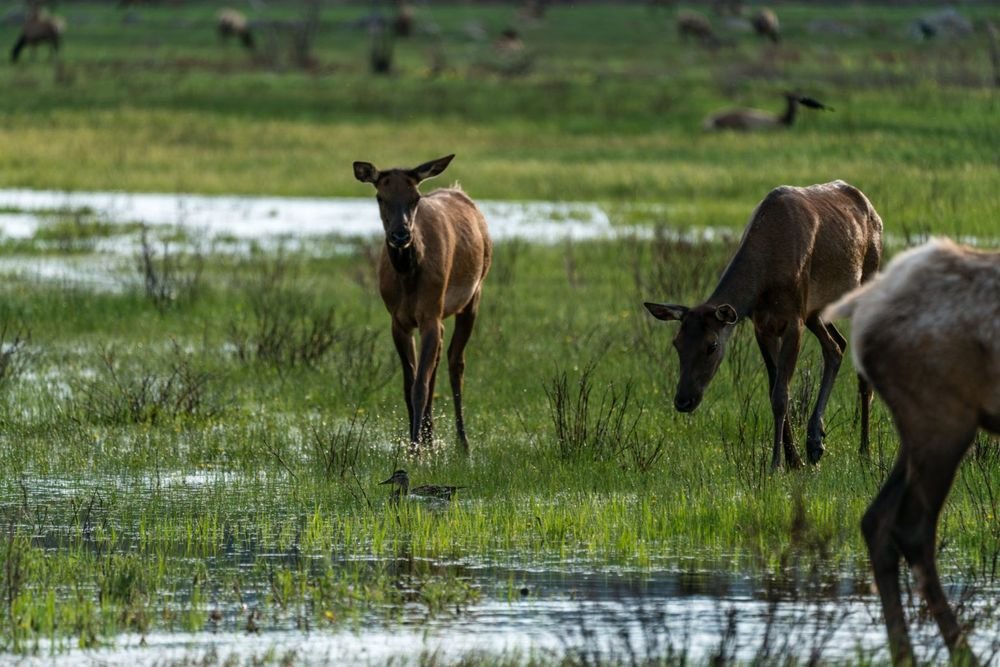
Headwaters of the Colorado River. An array of wildlife depends on this riparian habitat.
A landscape partnership, a robust and long-lasting coalition of organizations from across sectors and communities that work toward resilient landscape regeneration with a shared vision, could establish a comprehensive and multi-state river watershed management plan with goals including:
- Reducing water pollution originating from agricultural runoff and urban stormwater.
- Enhancing water conservation practices in agricultural and urban areas.
- Restoring riparian habitats along the river and its tributaries.
- Investing in research and development of place- and nature-based solutions along with innovative water conservation technologies.
- Providing public education on the significance of water conservation and watershed management.
The Colorado River is a vital resource for millions in the southwestern United States. Officials and citizens must act before it is too late. They must take steps to regenerate the watershed, ensuring this vital resource is available for people, wildlife, and ecosystems today and for future generations.