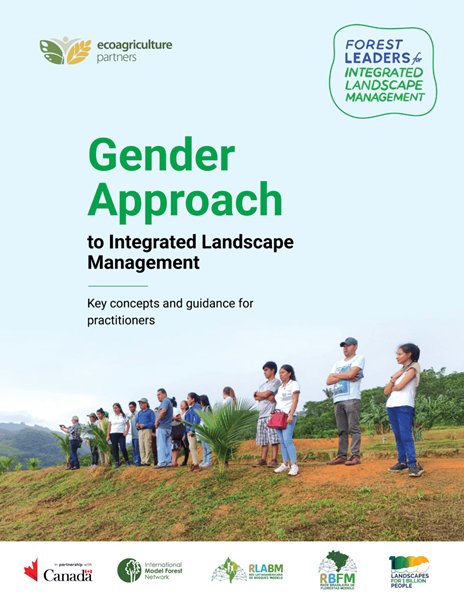
Gender Approach to Integrated Landscape Management: Key concepts and guidance for practitioners
Region of Focus
Overview
Landscapes are diverse systems of people and nature where different ecosystems and social groups interact. There is a close connection between historical, environmental, socioeconomic, and cultural processes and the way that people manage and modify their natural spaces.
Therefore, landscape management demands a deep understanding, acknowledgment, and recognition of the diversity of people linked to it. To promote sustainable and just landscapes, it is necessary to analyze the existing social differences and identify situations in which injustices and exclusion may arise. Among the most common factors identified in these analyses—and one shared across all societies—is gender.
Taking a gender approach to ILM ensures that the voices and perspectives of social groups often overlooked or undervalued—such as women and non-binary people—are meaningfully included in landscape management and development. This is especially important in landscape partnerships and multistakeholder governance platforms seeking to build strong alliances with healthy and peaceful relationships—alliances which are reflected in how people manage their natural resources, forests, biodiversity, and livelihoods.
Media Type
Language
Published
22 May 2026
Authored by
EcoAgriculture Team
License
Creative Commons - BY - NC - ND
License
License
Related Resources
Gestión de Conflictos en el contexto de la Gestión Integrada del Paisaje Fundamentos y orientaciones para la práctica
Public Policy for Integrated Landscape Management: Conceptual foundations and guidance for practice
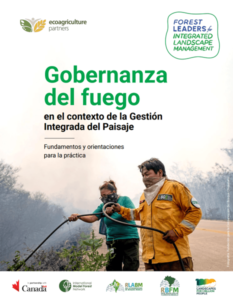
Gobernanza del fuego en el contexto de la Gestión Integrada del Paisaje: Fundamentos y orientaciones para la práctica