
Impact
Accelerating Regenerative Landscapes with Heifer International
Advancing Place-Based Food Systems Across Asia and Latin America

Region
Asia and Latin America
Year
2025–2026
Status
Completed

GOAL
To support Heifer International teams in transitioning toward more systemic, place-based ways of working by strengthening how food systems, livelihoods, natural resources, governance, and local partnerships are addressed together within landscapes.

PARTNERS
Heifer International teams and partners across Asia and Latin America
About the Project
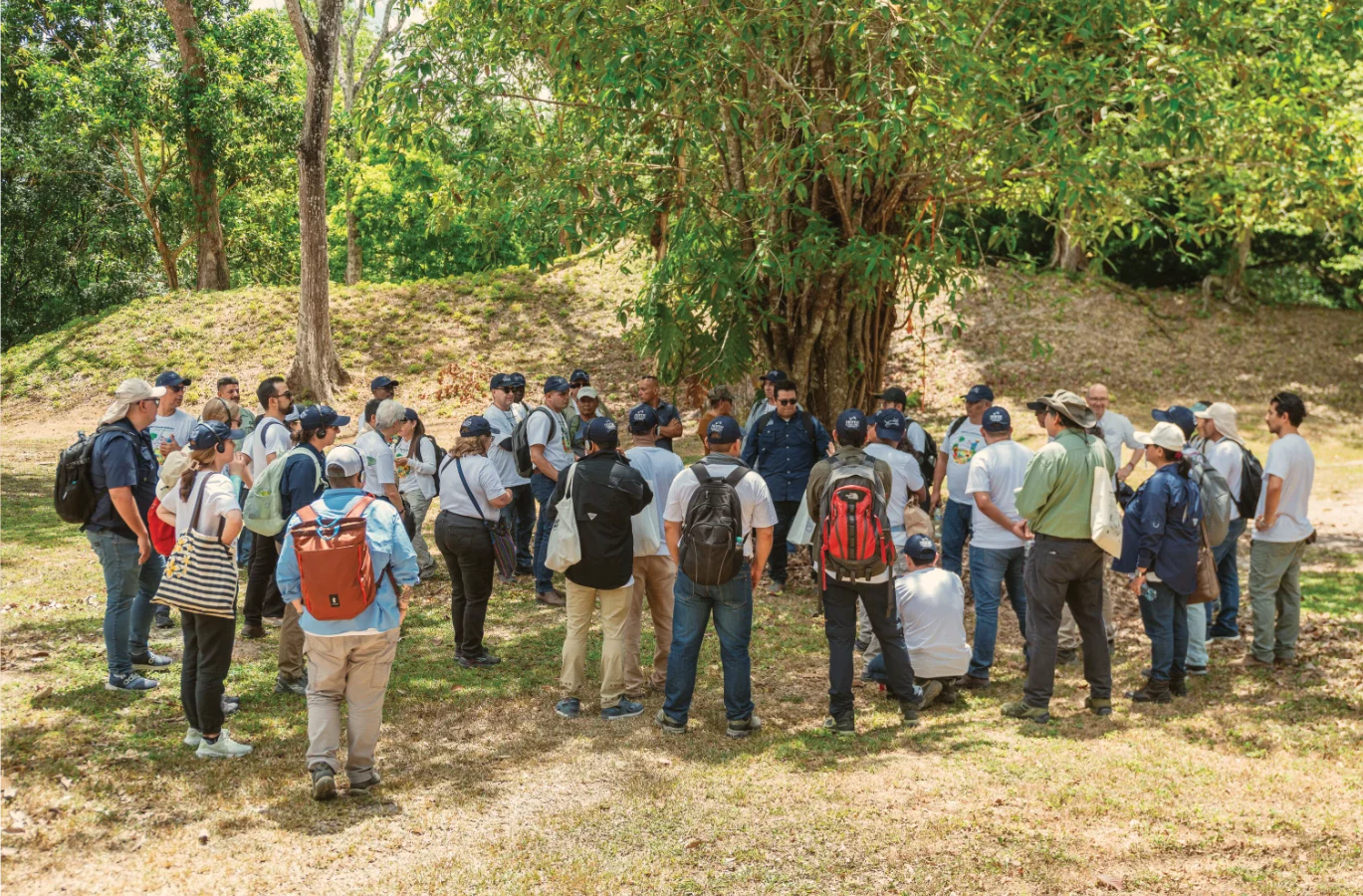
EcoAg worked with Heifer International teams in Latin America and Asia to strengthen a landscape and food systems perspective across their programs.
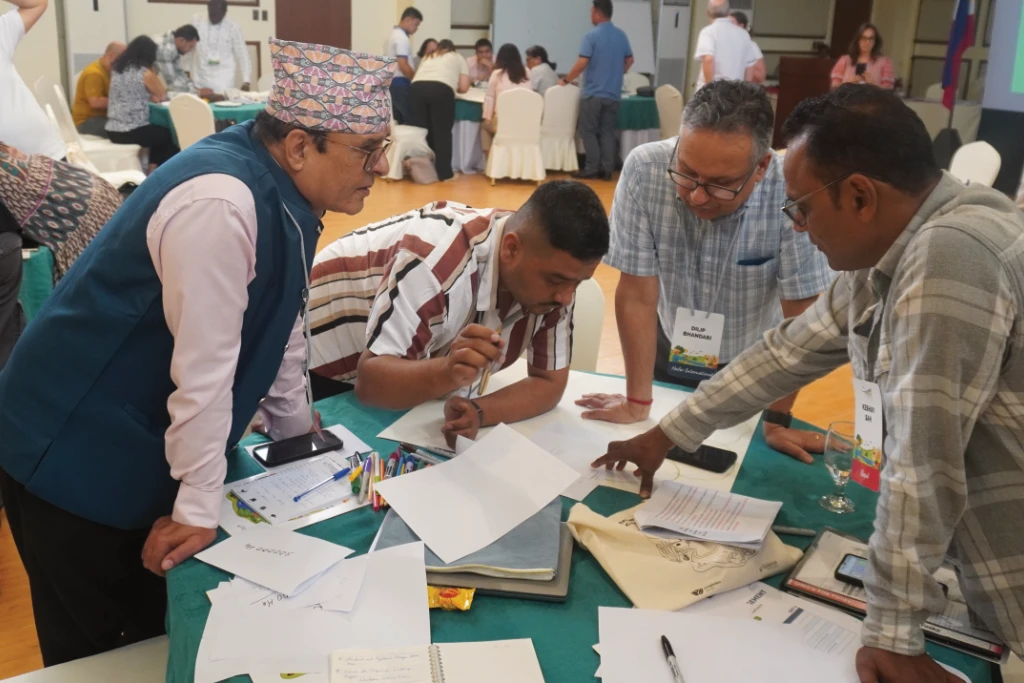
The collaboration helped teams look beyond individual projects and value chains to understand how livelihoods, production systems, ecosystems, institutions, markets, and communities interact within a place. Through online learning, in-person workshops, and practical planning exercises, participants explored how their work could contribute to more connected and resilient food systems.
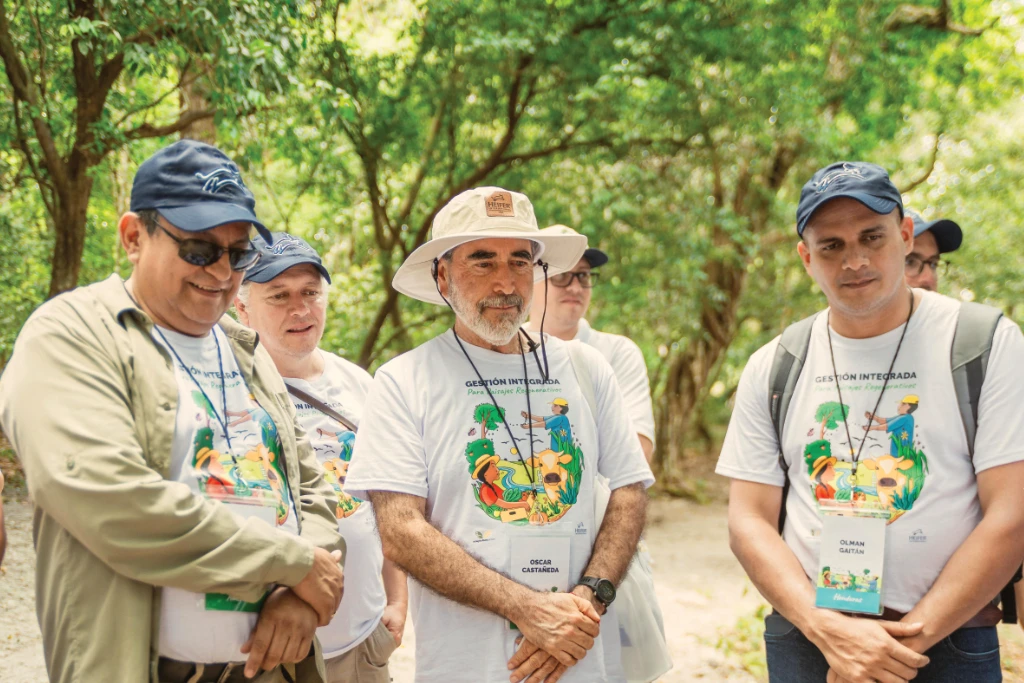
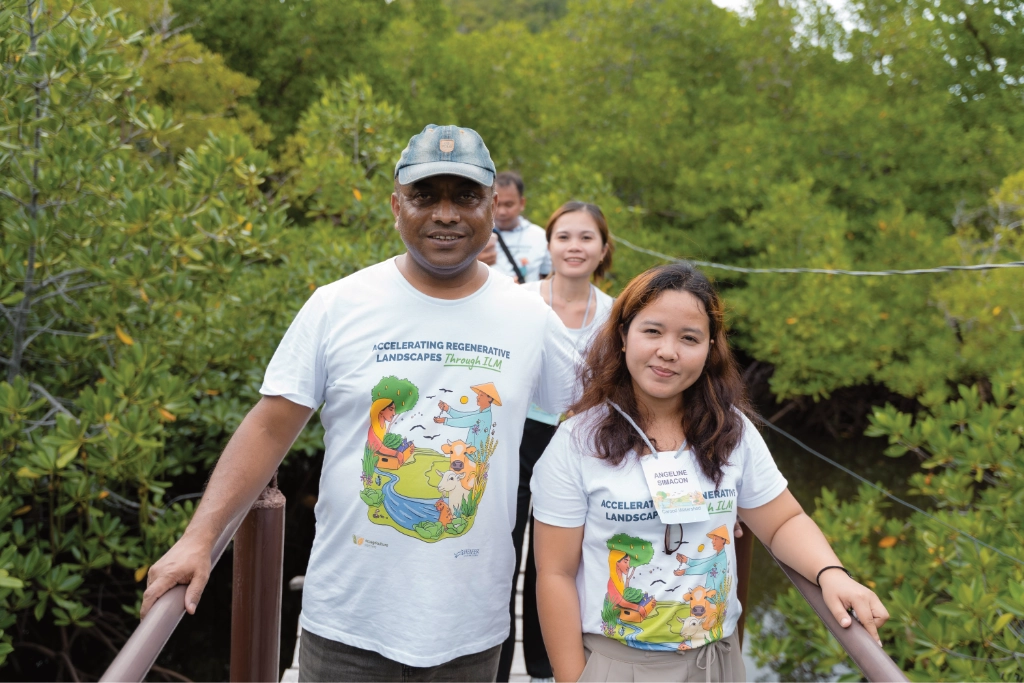
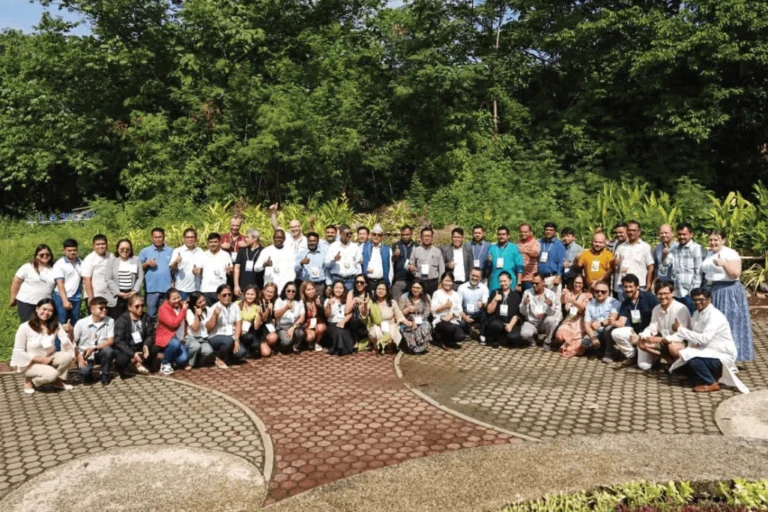
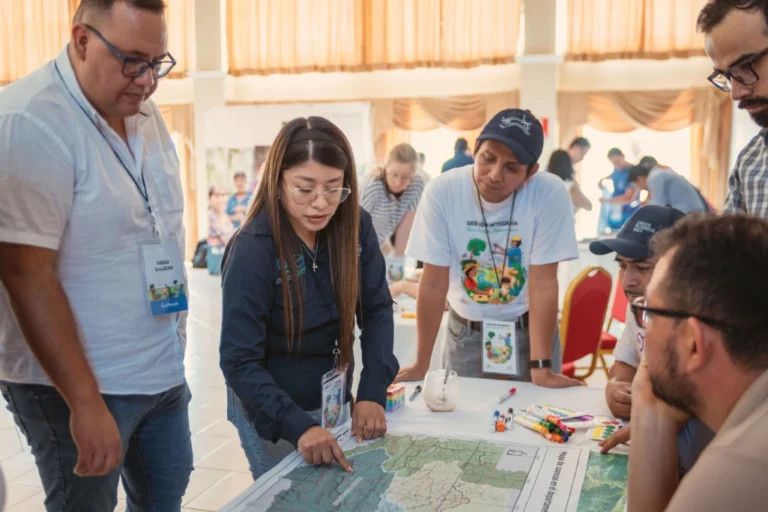
The work began with a five-month learning process for Heifer Latin America, including an in-person workshop in Guatemala. EcoAg later supported a regional program involving teams from Bangladesh, Cambodia, India, and Nepal, alongside an in-person workshop in Bohol, Philippines.
OUTPUTS: Regional learning programs, online sessions, workshops in Guatemala and the Philippines, priority landscape identification, stakeholder and governance mapping, food systems analysis, landscape boundary exercises, action planning, peer exchange, and practical tools for place-based collaboration
Heifer Latin America
Participants examined how Heifer’s programs connect with wider food systems and landscape priorities. They identified priority places, mapped key actors and governance structures, and explored opportunities to link projects, partnerships, and local institutions more effectively.
Heifer Asia
Teams from Bangladesh, Cambodia, India, and Nepal applied a landscape and food systems perspective to their existing programs. The process helped them identify priority landscapes, understand relationships between stakeholders and sectors, and develop initial steps toward more coordinated action on the ground.
Colleagues from Heifer Africa also joined parts of the program as they considered how similar approaches could inform their own regional work.
Impact
The collaboration supported a shift from project-based delivery toward more systemic, place-based action.
Heifer teams strengthened their ability to understand food systems within a wider landscape context, identify shared priorities, work across sectors, and engage the institutions and partnerships needed for implementation. Lessons from Latin America also informed the Asia program, supporting learning across regions and contributing to a broader organizational transition toward landscape-based food systems work.
AREAS OF IMPACT: Food systems, place-based approaches, Integrated Landscape Management, institutional capacity, stakeholder engagement, collaborative governance, landscape planning, regional learning, and coordinated action
Related Resources and Articles
The Work Behind the Work: Building Resilient Landscapes in Asia
Integrated Landscape Management for building resilient landscapes is becoming a shared practice carried forward through partnerships, strengthening landscapes from Latin America to Asia and now Africa.
Heifer International and EcoAgriculture Partners Join Forces to Boost Rural Livelihoods and Nature
Heifer International collaborates with EcoAgriculture Partners to enhance rural livelihoods through Integrated Landscape Management, promoting sustainable development in Guatemala.
All Projects