Just outside, bright blue waves were gently crashing on the sand along the coastline in Tela, Honduras.
The coastal town is situated on the northern coast of Honduras, an area important for agricultural production and rich in biological diversity. Traveling by car over the course of a couple hours, one can find palm oil plantations big and small, cacao agroforests, livestock pastures, bustling cities, quiet towns, wildlife reserves, national parks, mangroves, and stunning beaches. Over 35 people from various parts of the region and country had gathered to participate in a Landscape Leadership Course from May 22-26, co-facilitated by EcoAgriculture and Solidaridad, with key contributions from the Netherlands Environmental Assessment Agency (PBL). Participants represented diverse institutions and sectors, including local government, palm oil companies, cooperatives, women cacao farmers, farmer organizations, an agricultural research institute, a university, wildlife reserves, environmental non-profits (both local and international), indigenous organizations, community water committees, and the tourism industry.
While these actors came from diverse backgrounds and represented interests that sometimes diverged, it was clear that they had a common, passionate desire to see their landscape healthy and thriving – economically, environmentally, and socially.
Listening to conversations around the room, similar themes were emerging as groups discussed their vision for the future of their landscape:
“Land use planning”
“Environmental education”
“Diversification of crops”
“Certification and good agricultural practices”
“Minimize environmental impacts”
“Spaces for dialogue”
“Collaboration and strategic alliances”
“Harmony between actors”
“Respect for the law”
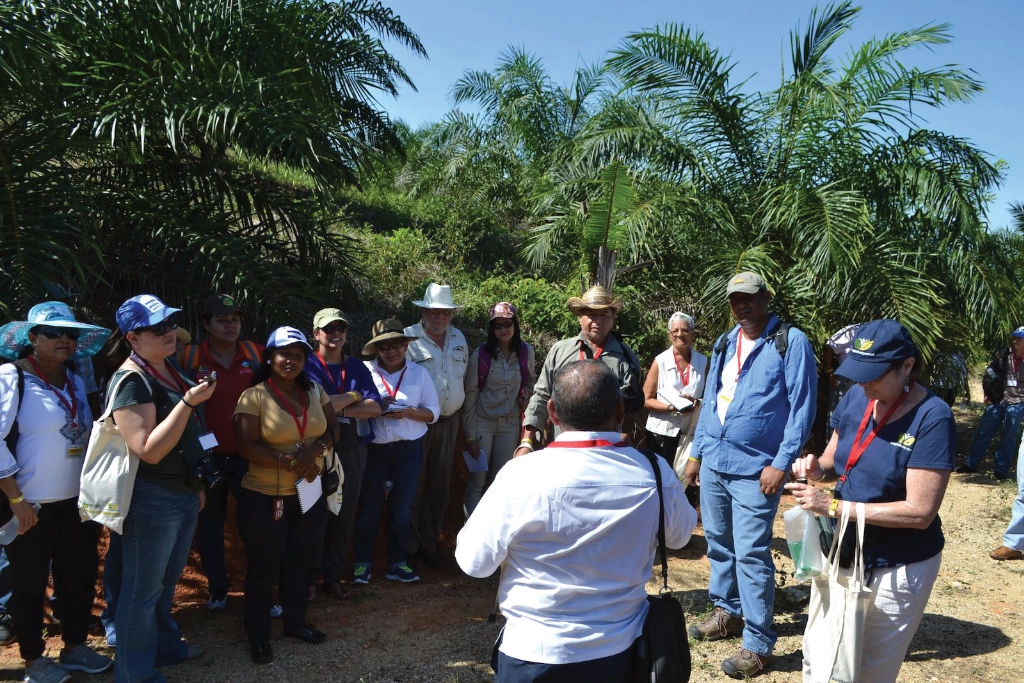
Participants in the landscape leadership workshop represented diverse institutions and sectors, including local government, palm oil companies, cooperatives, women cacao farmers, farmer organizations, an agricultural research institute, a university, wildlife reserves, environmental non-profits (both local and international), indigenous organizations, community water committees, and the tourism industry.
A changing landscape
Palm oil production began in Honduras 45 years ago, and the vast majority is concentrated in the northern coastal region in areas that previously cultivated banana. The rapid expansion of the crop, including onto slopes considered unsuitable for production and into protected reserves, has led to concern and efforts by major actors in the sector to increase the adoption of sustainable practices and pursue Roundtable on Sustainable Palm Oil (RSPO) certification. Vital to this effort has been the establishment of a multi-stakeholder consortium, Sustainable Palm Oil of Honduras (Spanish PASH’), comprised of the majority of the Honduran Palm Oil industry, relevant government actors, and local and international civil society organizations.
As the effort has progressed over the past couple years, actors working with the palm oil sector have realized that action on a wider scale, encompassing a more diverse set of actors, is needed to address natural resource degradation and continued deforestation in the region. Likewise, many groups have a high interest in contributing to the effort to address these problems, since they are directly affected by them as well.
During the course I had the chance to speak with a number of people who shared their concerns and hopes for the landscape. The owner of an ecotourism business explained that in the past couple years the number of wild tapirs and other animals he has seen on his rafting excursions has continued to decrease due to deforestation. An indigenous woman from the Mosquitia passionately described her love of nature, of waking up to birds chirping and swimming in pristine rivers, and her desire to protect her home. A cacao specialist passionately described how to judge the quality of cacao and how great the potential is to expand production in Honduras, a place already internationally renowned for its high quality of cacao.
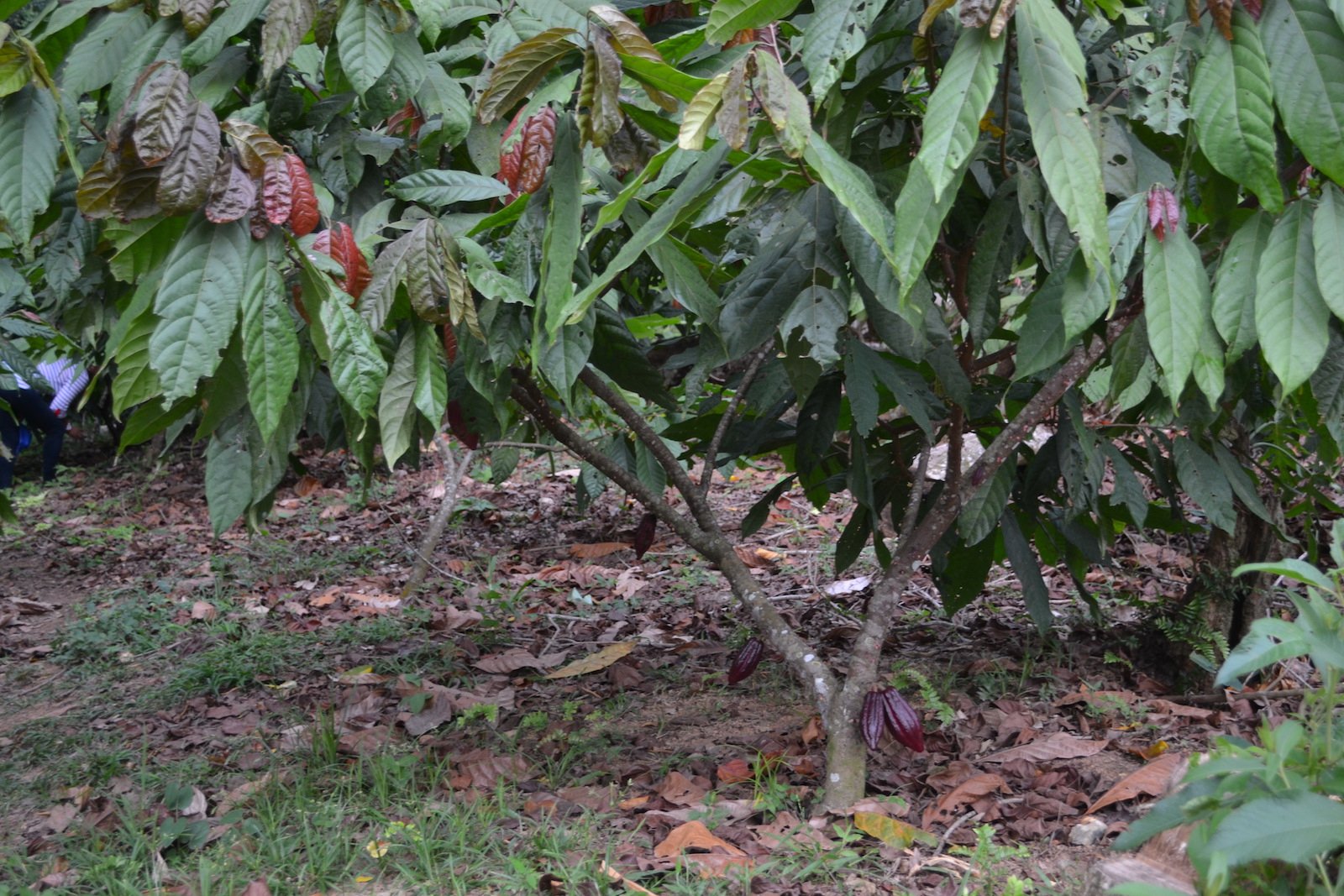
Hondurans are passionate about their environment, including the high-quality cacao grown in their fertile soils.
Solidaridad and EcoAgriculture Partners have been working together for the past year on a landscape program in Honduras, now called PASOS Honduras (short for Paisajes Sostenibles, sustainable landscapes), with the goal of catalyzing a multi-stakeholder partnership based in local leadership that will work to pursue a common vision for the landscape long into the future. The Landscape Leadership Course provided a common foundation of knowledge for these leaders, an analytical framework for pursuing multiple objectives in the landscape, and a space for them to engage and develop relationships with people outside of their institutions and sectors.
An awakening
Throughout the course of the week, participants in the Landscape Leadership Course engaged each other in lively discussions on the threats facing the landscape, major issues, a vision for the future, and priority steps to achieve that vision. Potential outcomes of current land use trends and possible interventions illustrated through scenario modeling in sessions facilitated by PBL provided geographical data and alternative future scenarios as a point of entry to enrich discussions. Interspersed with training sessions on Integrated Landscape Management, these dialogue spaces demonstrated the incredible value of bringing leaders within a landscape together to share their expertise, perspectives, and ideas, as well as explore opportunities for collaborative action.
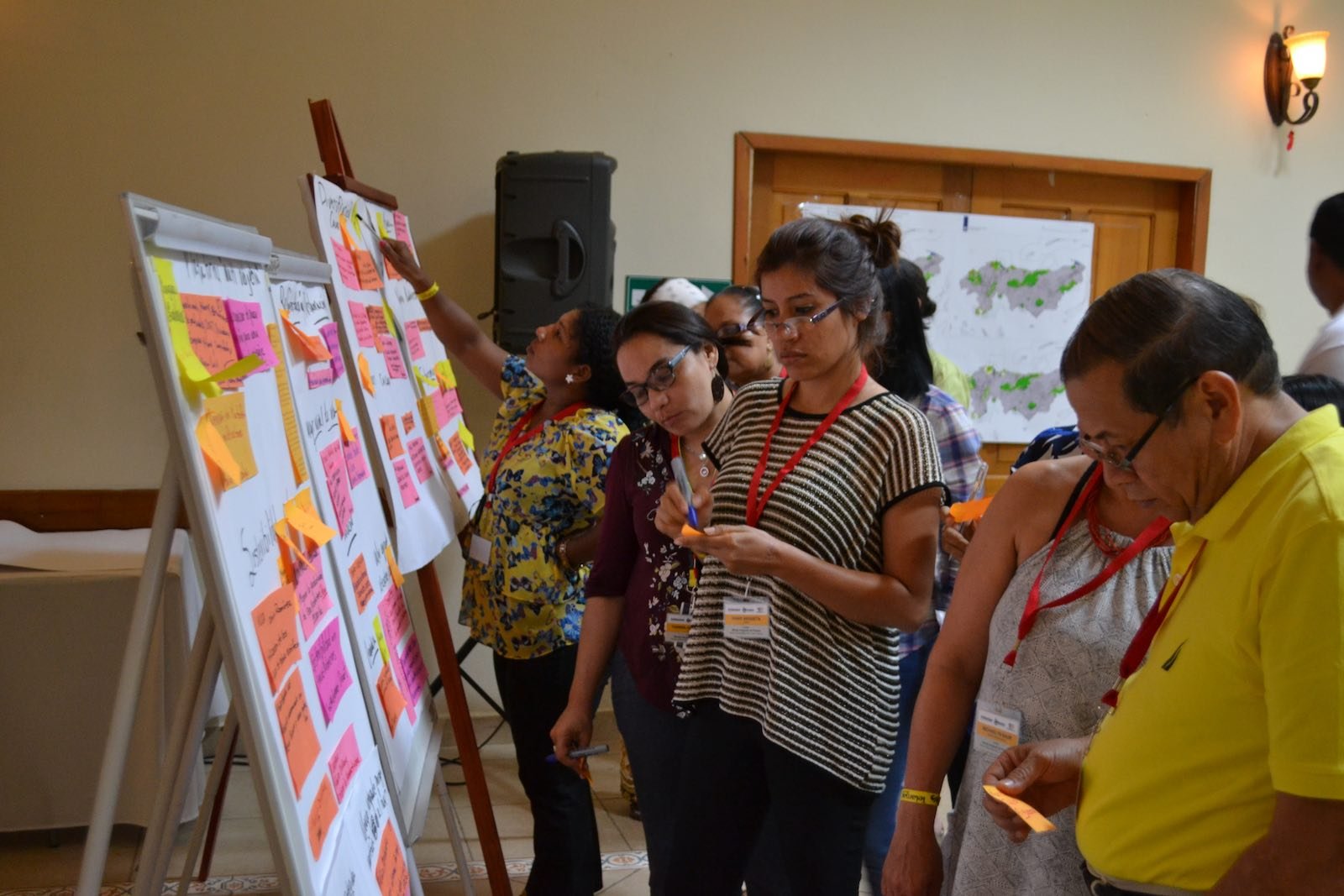
Participants comment on the results of a group brainstorm during one of the many interactive sessions of the workshop.
These leaders in particular were eager to make concrete plans for moving forward. Different groups met to outline ideas for collaborative work on themes related to ecotourism, sustainable palm cultivation, development of a multi-stakeholder platform, integrated management of the watershed, and crop diversification through cacao agroforests. In the coming months, these working groups will receive seed grants through Solidaridad to initiate next steps.
Despite an intensive week, the energy at the close of the course was high and optimism could be felt throughout the room. One participant described it as an awakening; another as the beginning of a movement to work towards the transformation of the landscape. They spoke about their plans to share this knowledge with their colleagues, invite others to join the effort, and continue to meet and formalize the group. Everyone departed in high spirits, determined to maintain their shared motivation and enthusiasm.
Stay Tuned
EcoAgriculture and Solidaridad’s partnership in Central America grows with the launch of PASOS Nicaragua this week at a workshop like the one in Honduras described in this post. Michelle, along with EcoAgriculture Fellow Jenny Nelson, will be co-leading the workshop with Solidaridad staff from the region. We expect to report back on that experience next week.